Blog
Insights, guides and news about web security, performance and compliance.
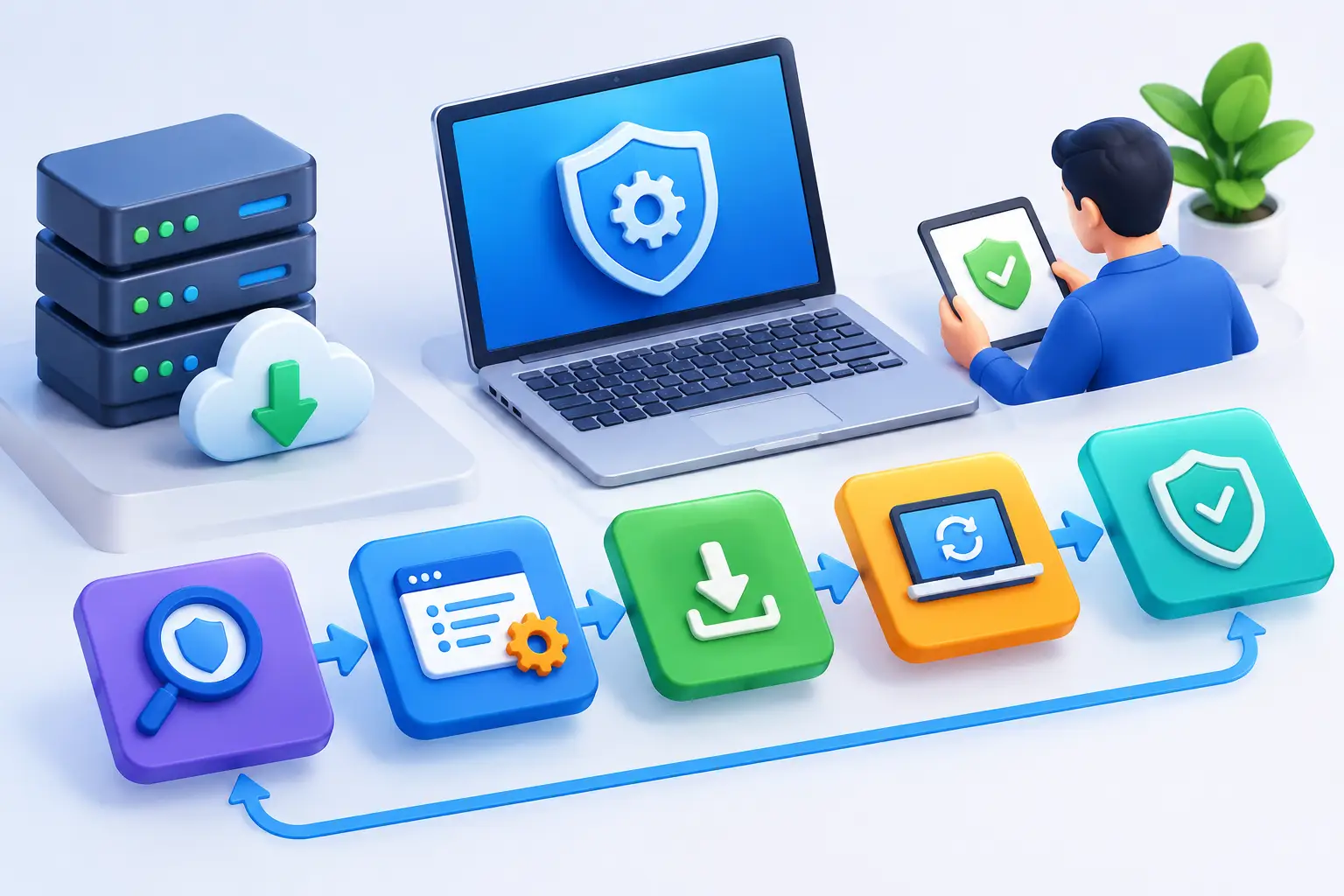
Patch Management Software: What to Require
Patch management software helps businesses identify, prioritize, test, and deploy critical updates while maintaining visibility and operational control.
Read more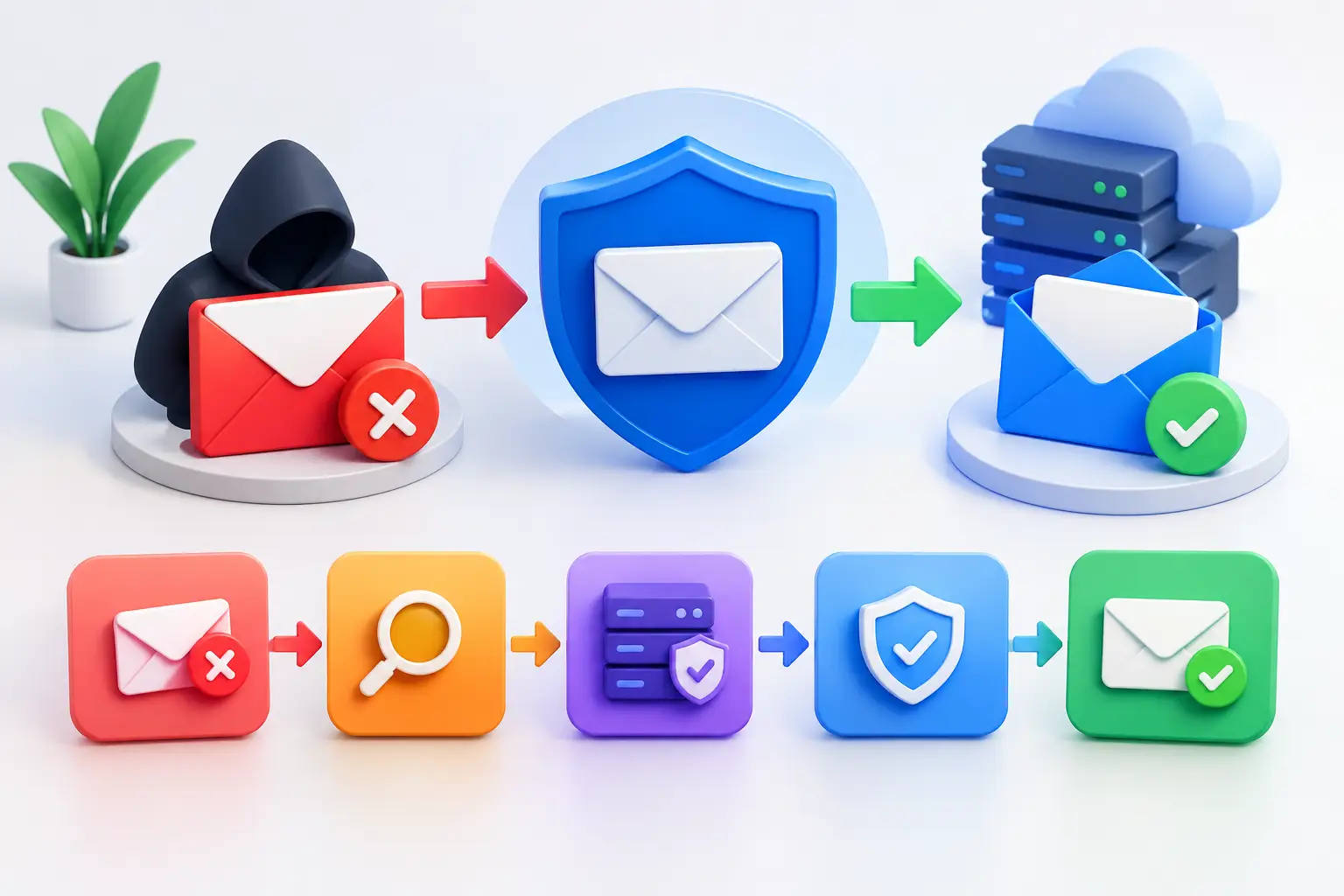
DMARC Spoofing Prevention for Business Email
DMARC spoofing prevention protects your domain from fraudulent email. Learn how to deploy, monitor, and enforce policies without disrupting valid mail.
Read more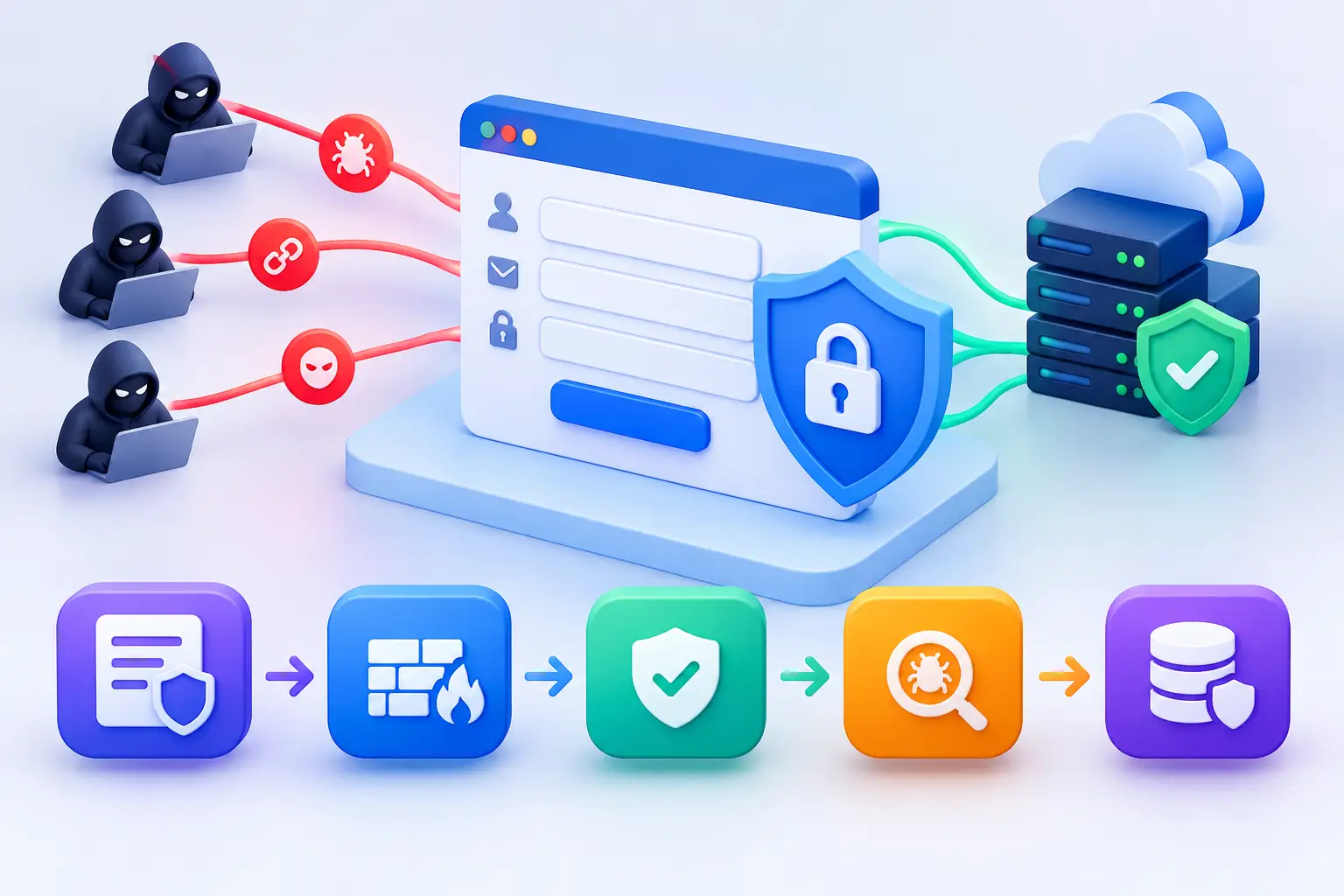
How to Protect Web Application Forms from Attack
Learn how to protect web application forms from abuse, data theft, and automated attacks with layered controls, testing, monitoring, and response plans.
Read more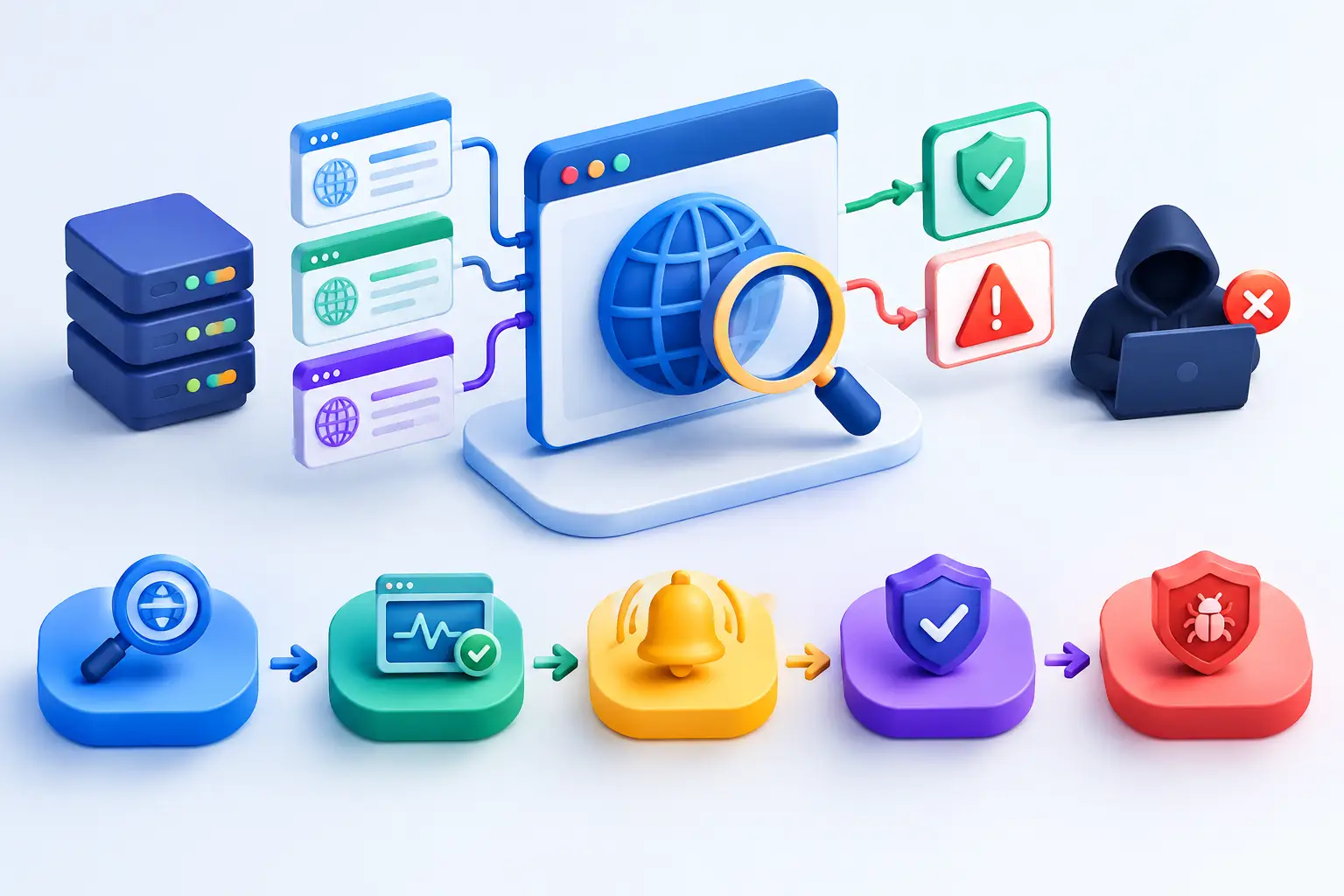
How to Monitor Domain Changes Before They Become Risk
Learn how to monitor domain changes, detect unauthorized DNS, WHOIS, certificate, and email updates, and turn alerts into clear, fast remediation actions.
Read more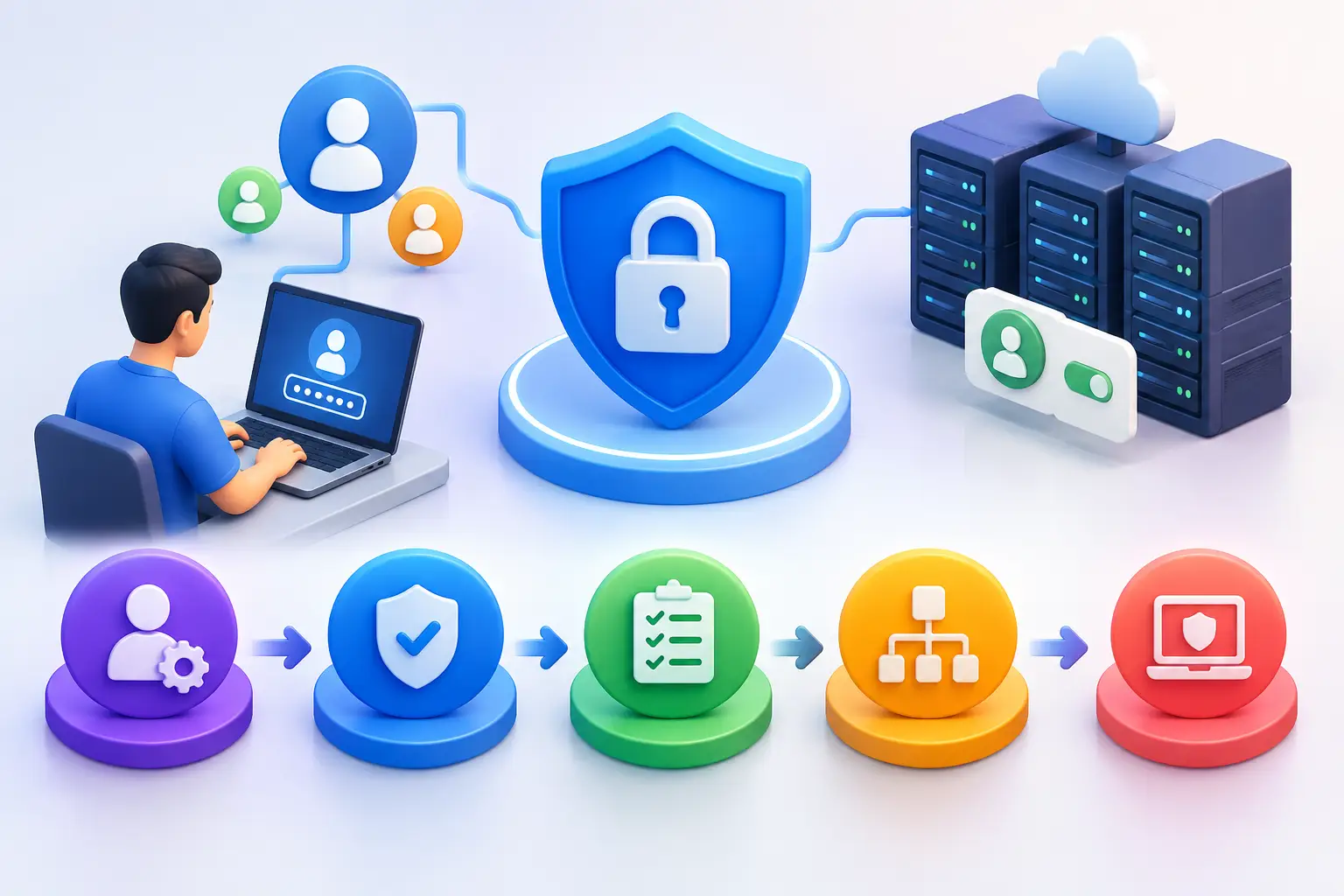
How to Manage Privileged User Access Securely
Manage privileged user access using clear roles, time-bound permissions, monitoring, and documented reviews to reduce exposure and improve accountability.
Read more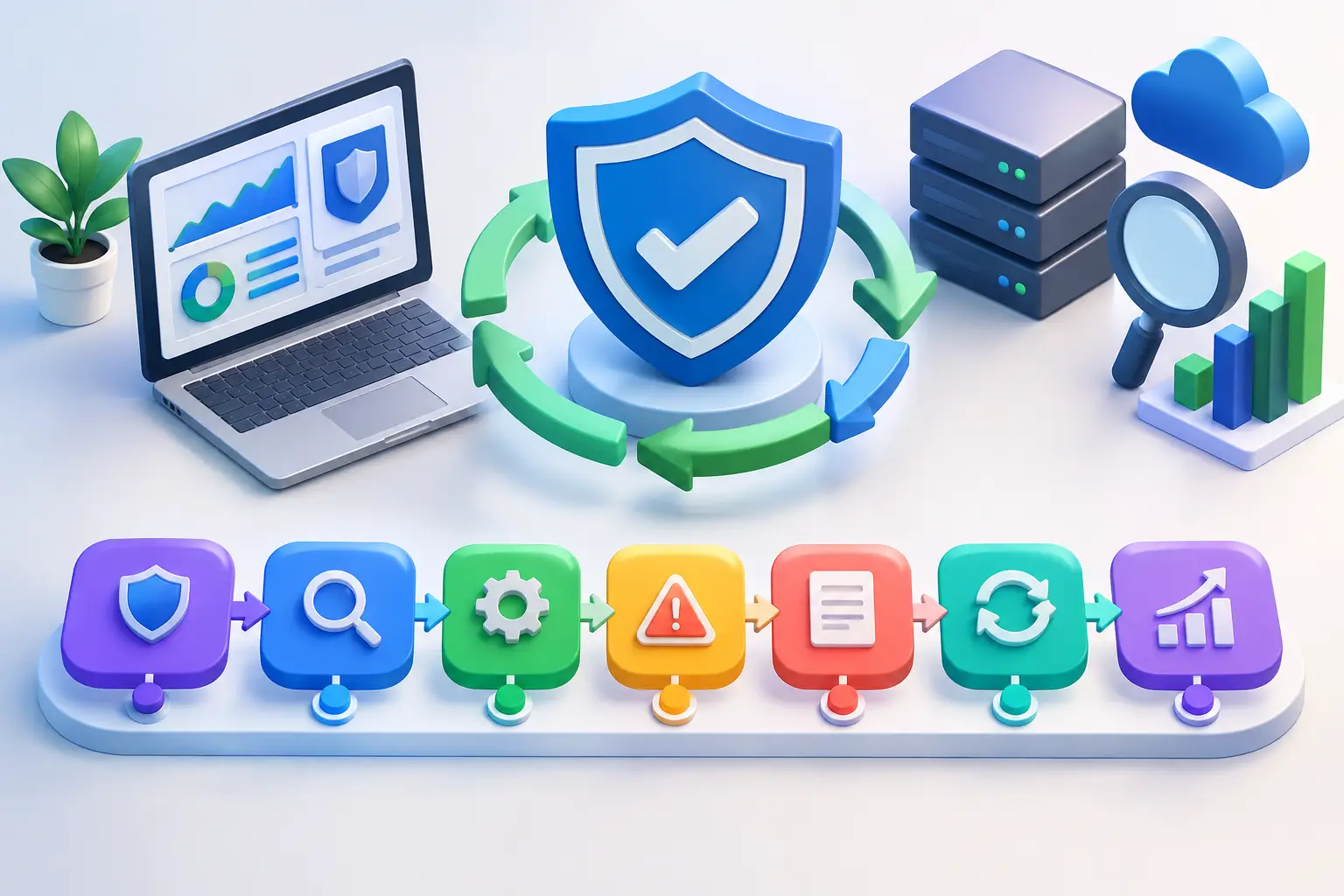
7 Continuous Compliance Monitoring Trends to Watch
Continuous compliance monitoring trends are reshaping audits, evidence, and risk response. See what SMB security teams should prioritize now for readiness
Read more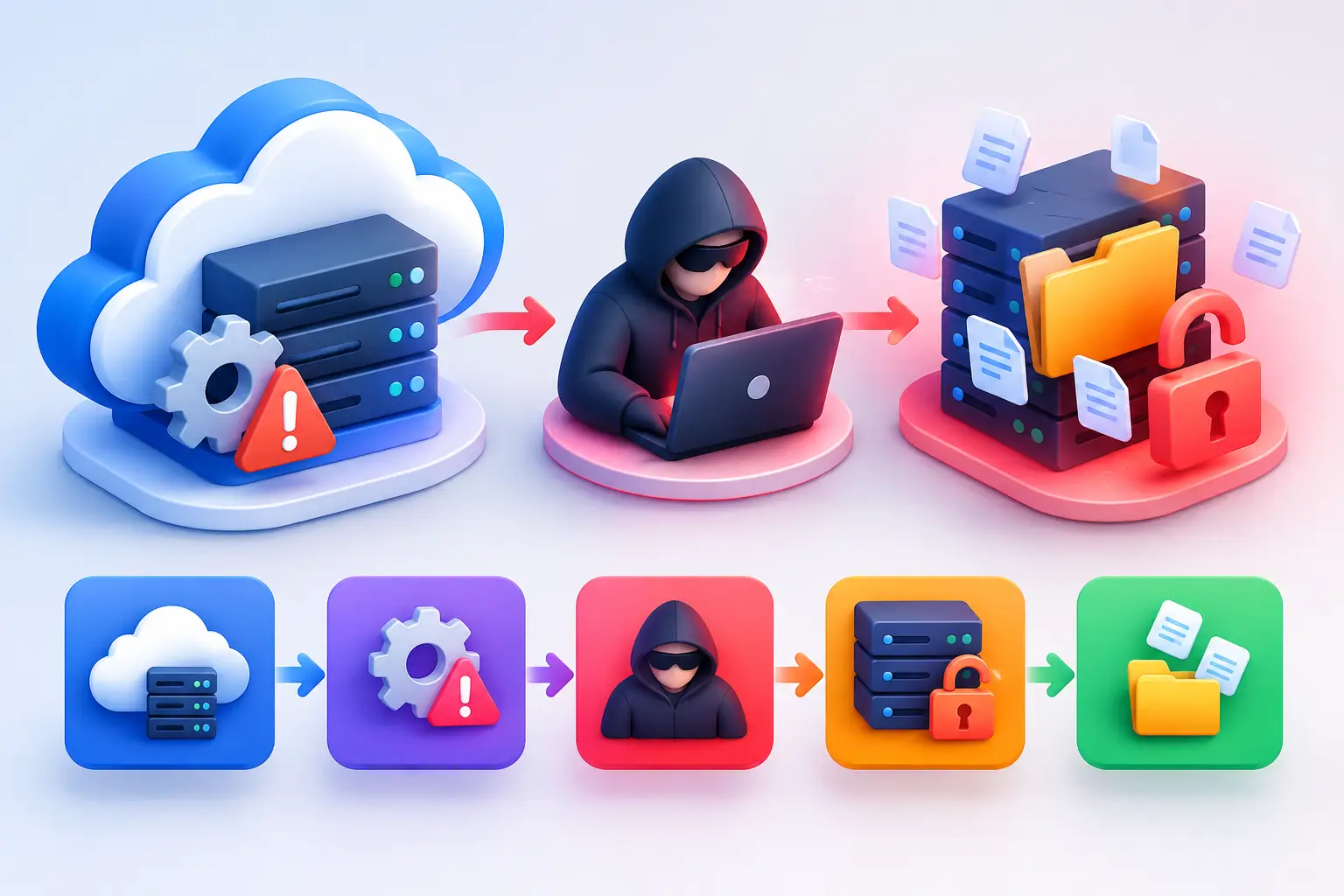
A Cloud Misconfiguration Breach Example Explained
A cloud misconfiguration breach example shows how exposed storage, weak access controls, and missed monitoring create costly, preventable data exposure.
Read more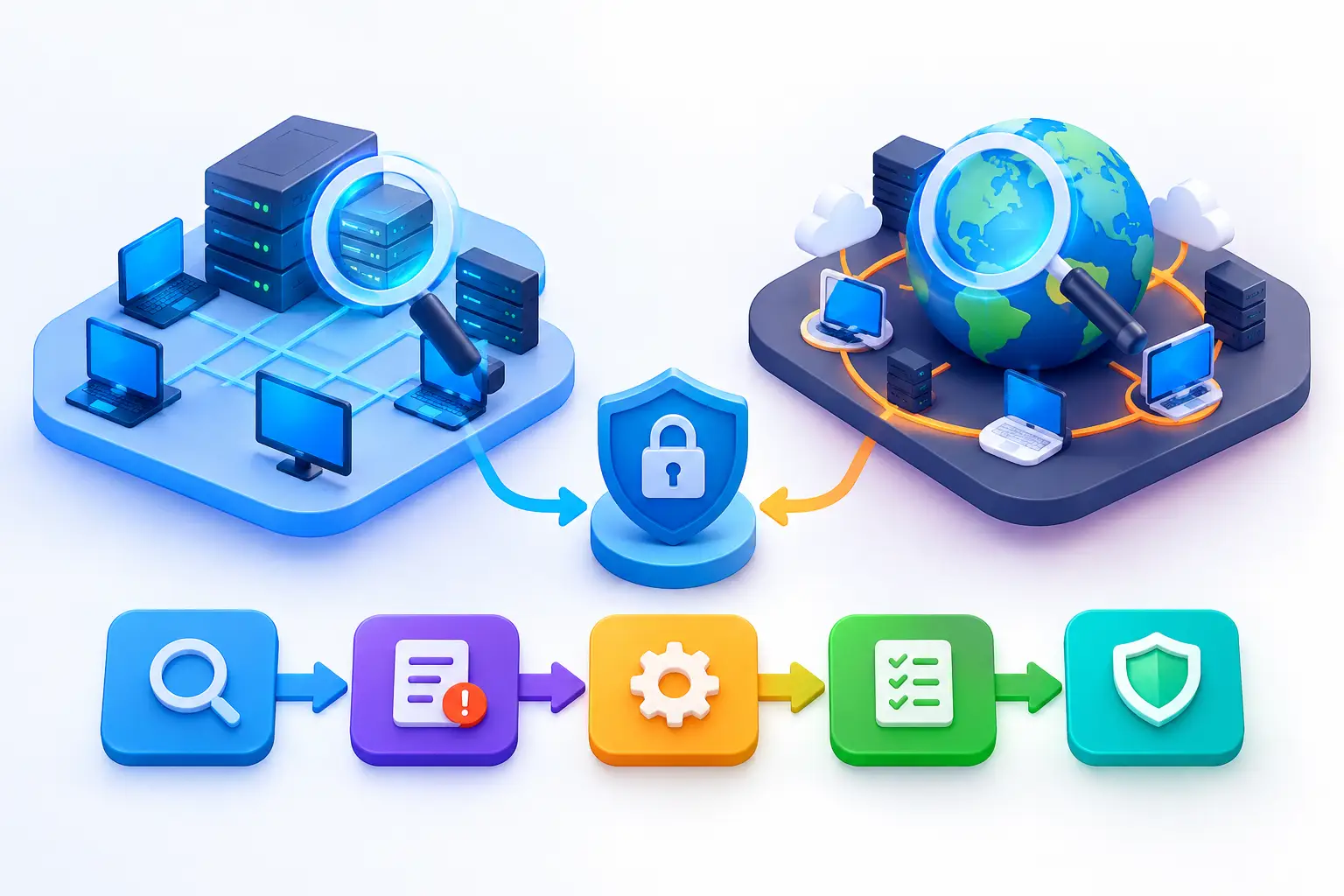
Internal Versus External Vulnerability Scanning
Internal versus external vulnerability scanning reveals different risks. Learn how to use both to prioritize remediation and maintain continuous oversight.
Read more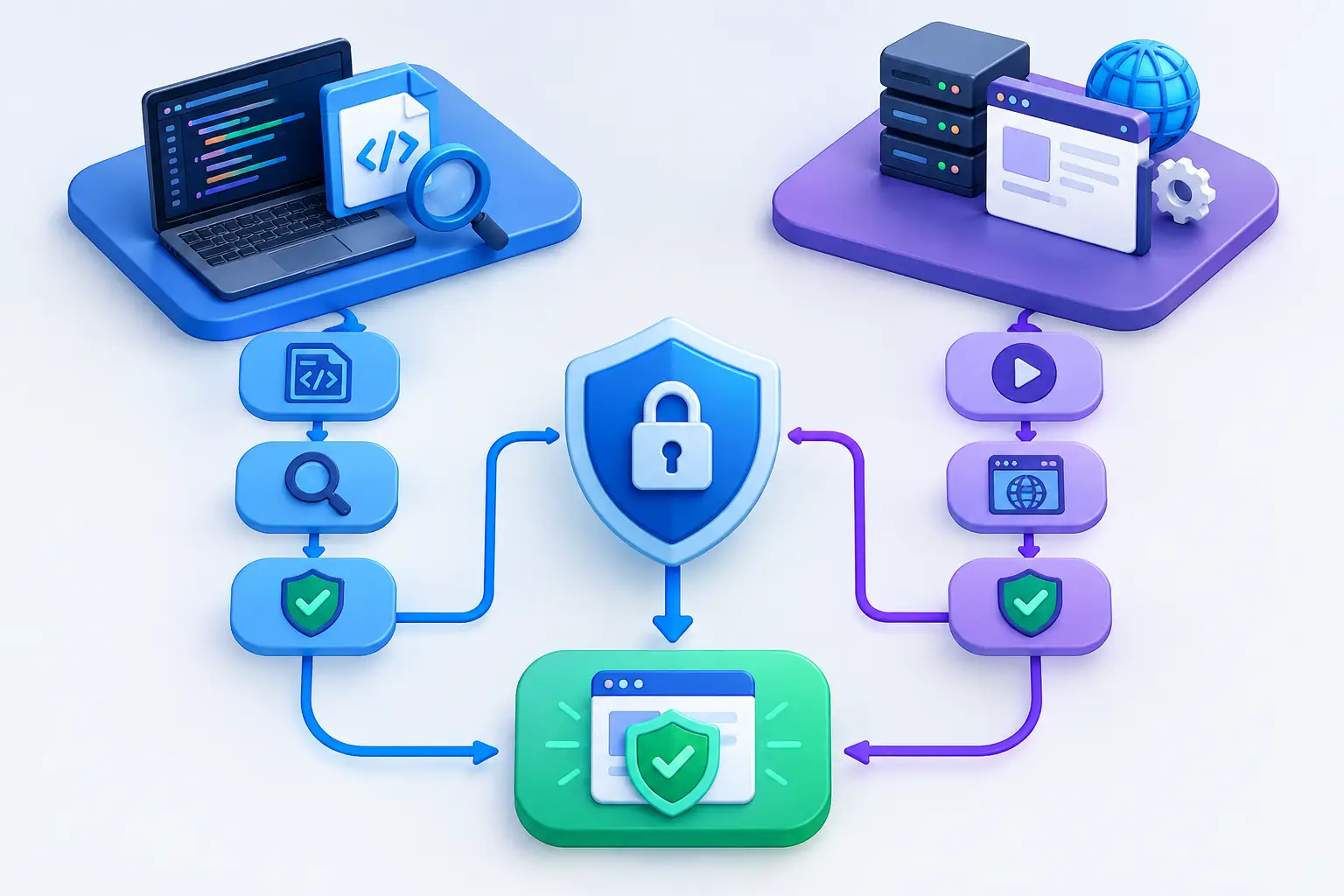
SAST versus DAST for Stronger Application Security
SAST versus DAST explains how static and dynamic testing find different application risks, and how to build a practical testing program around both.
Read more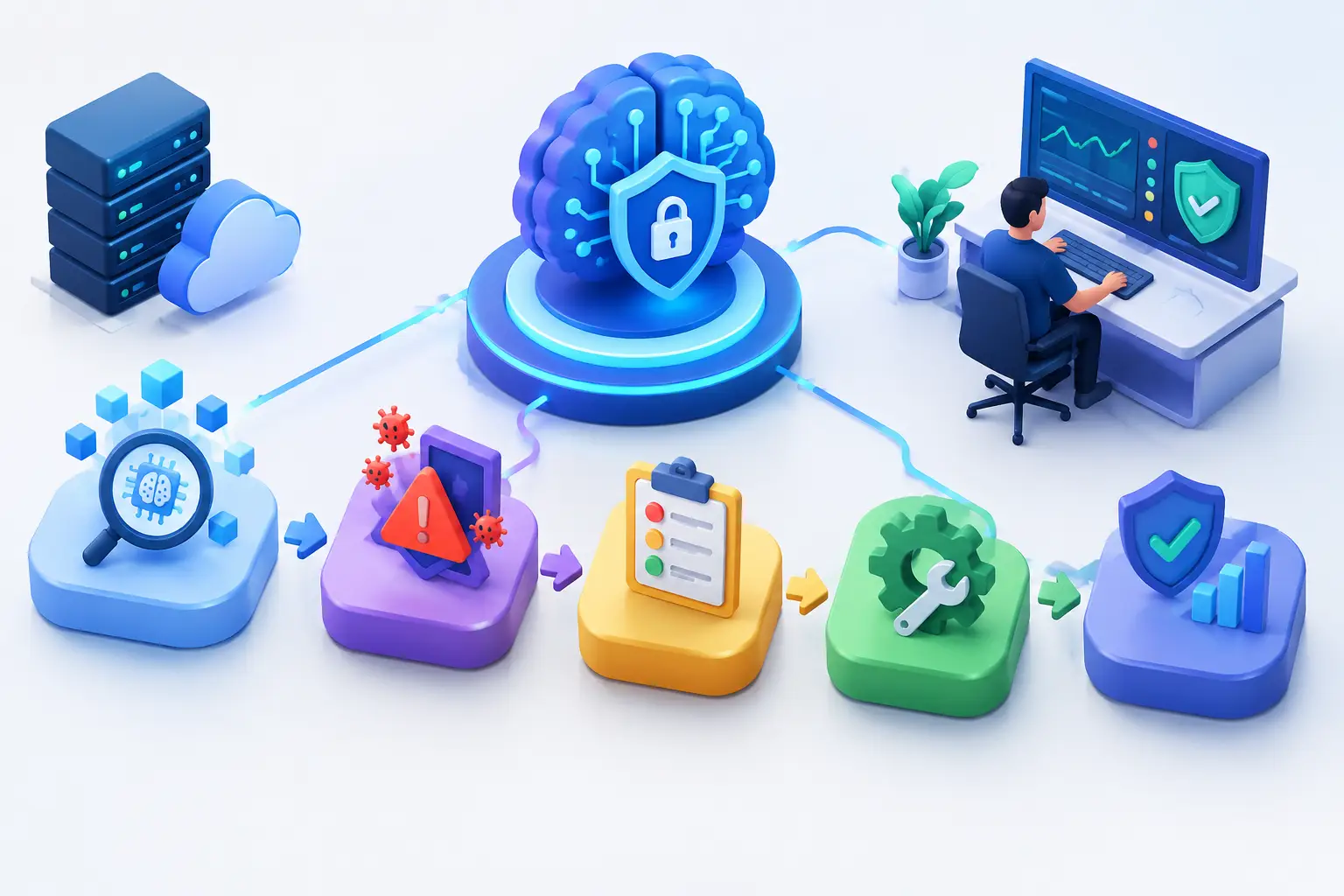
AI Vulnerability Management That Drives Action
AI vulnerability management helps teams identify real risk, prioritize remediation, and maintain continuous visibility across web and network assets daily.
Read more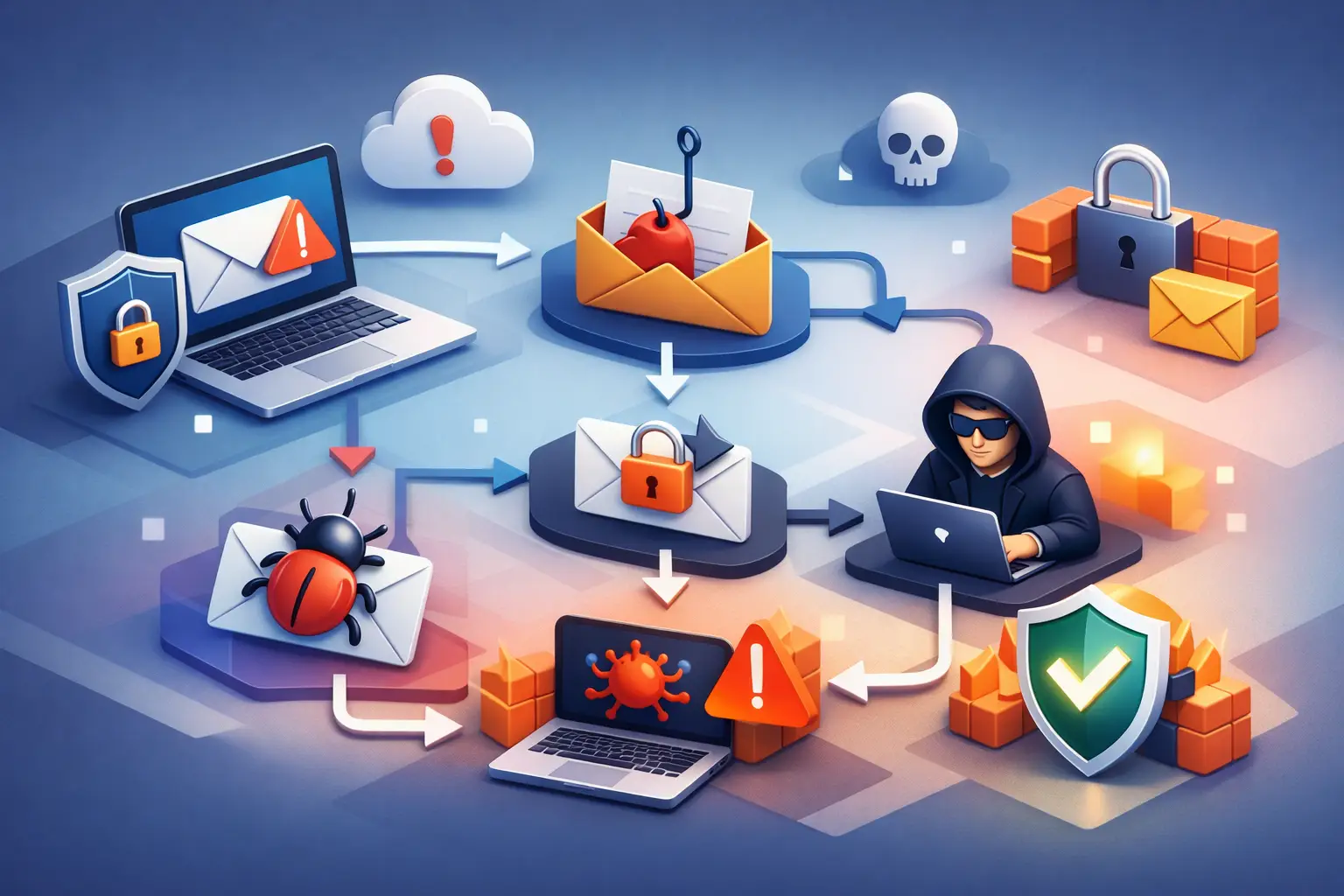
Top Email Security Risks Businesses Must Address
Top email security risks can expose credentials, funds, and customer trust. Learn how to identify, prioritize, and remediate them with continuous oversight
Read more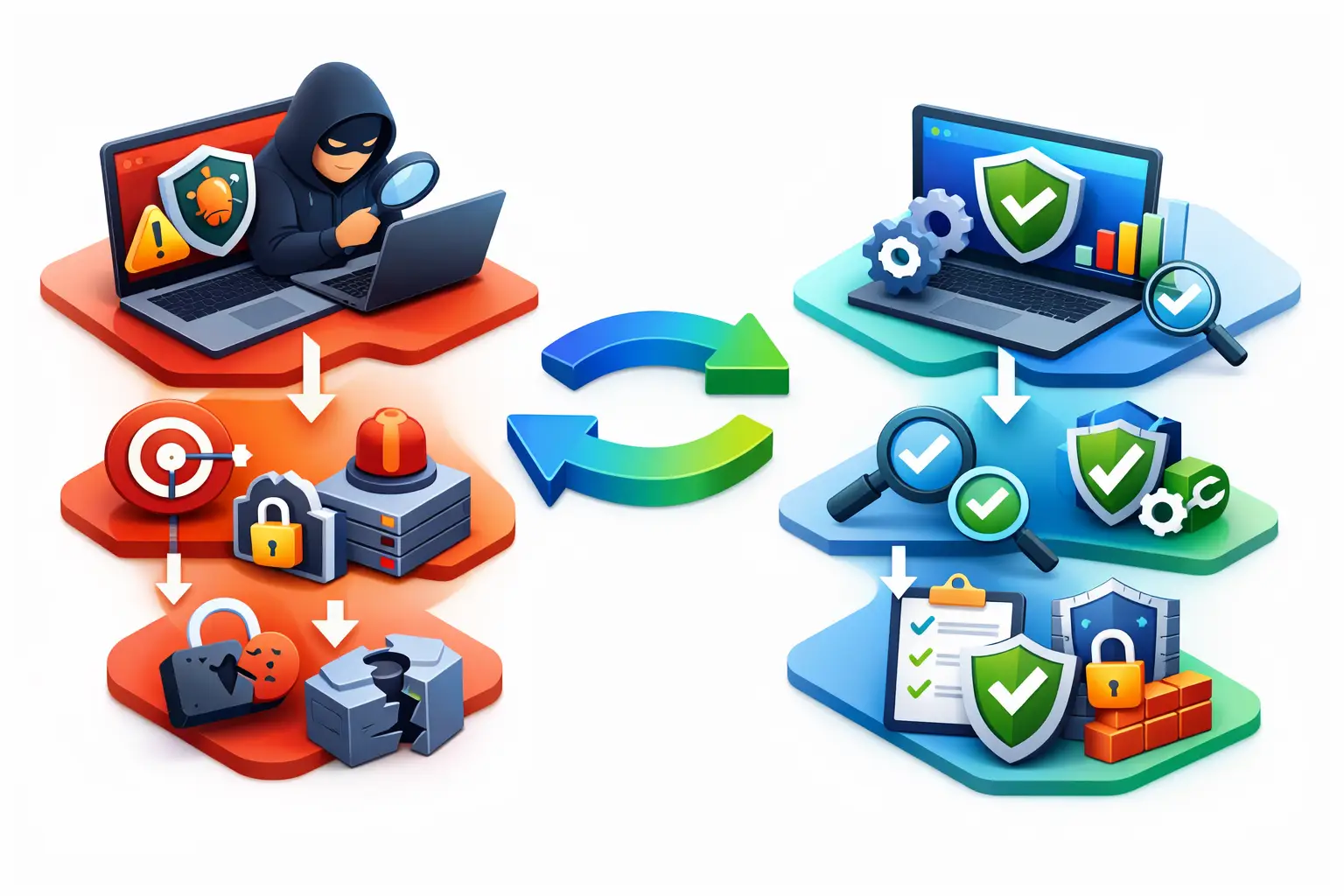
Penetration Testing Versus Vulnerability Management
Understand penetration testing versus vulnerability management, when each applies, and how both create a stronger, continuously managed security program.
Read more
Top Compliance Frameworks for Growing Businesses
Compare top compliance frameworks for SMBs, from SOC 2 and ISO 27001 to PCI DSS and HIPAA, and build an actionable path to continuous readiness today.
Read more
Email Security: A Practical Control Plan
Email security protects business communications from phishing, account takeover, and data loss through practical controls, monitoring, and response plans.
Read more
Why Are Open Ports Risky for Your Business?
Why are open ports risky? Learn how exposed services create entry points, what to review, and how continuous monitoring reduces business risk over time.
Read more
Best Website Security Headers for Business Sites
Learn which best website security headers reduce browser-based risk, how to configure them safely, and monitor changes across your web assets over time.
Read more
API Key Rotation for Better Credential Control
API key rotation reduces exposure from leaked credentials through inventory, staged replacement, validation, revocation, and ongoing security oversight.
Read more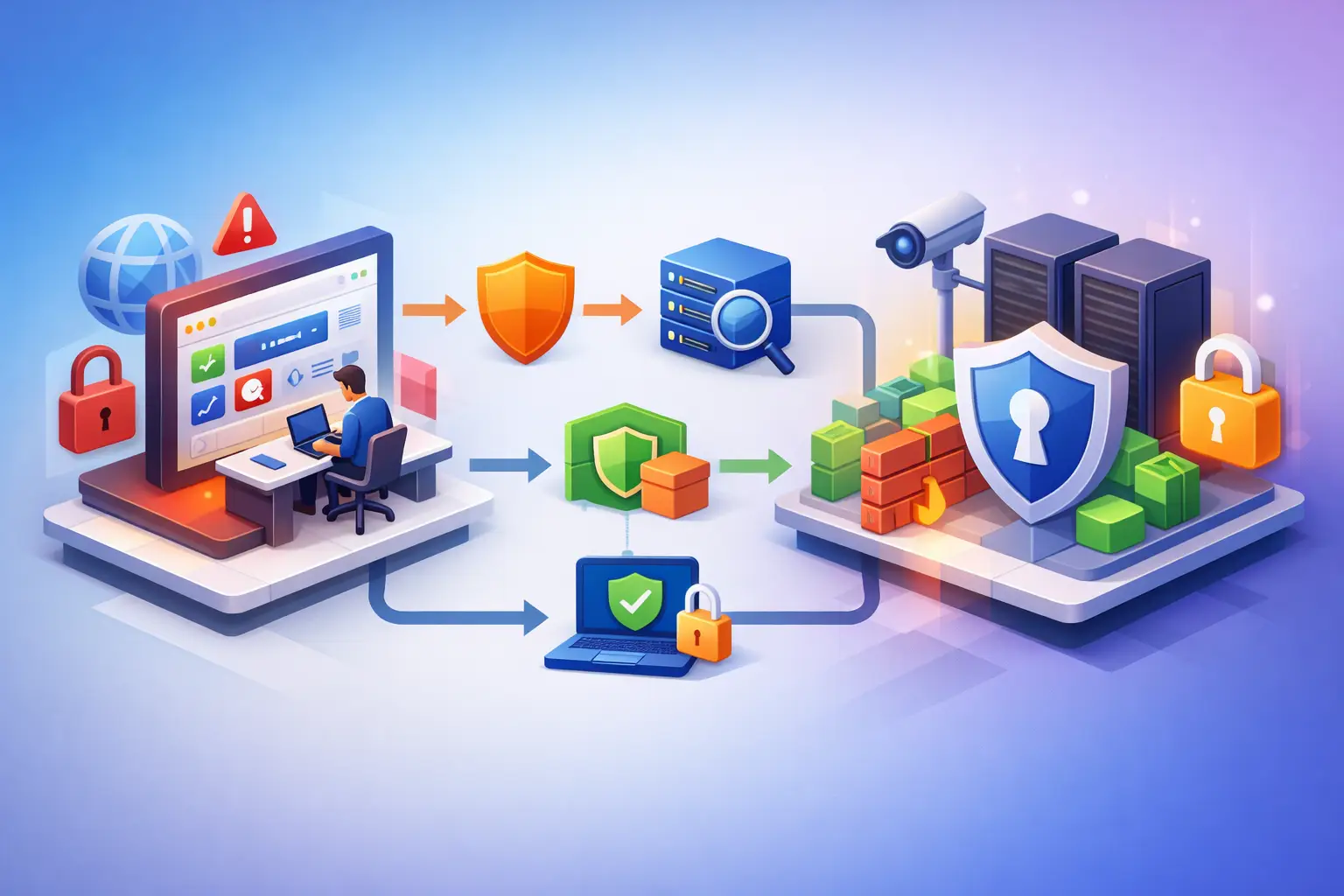
How to Reduce Exposed Admin Panels Safely
Learn how to reduce exposed admin panels with access controls, discovery, monitoring, and remediation that protect critical business systems at your scale.
Read more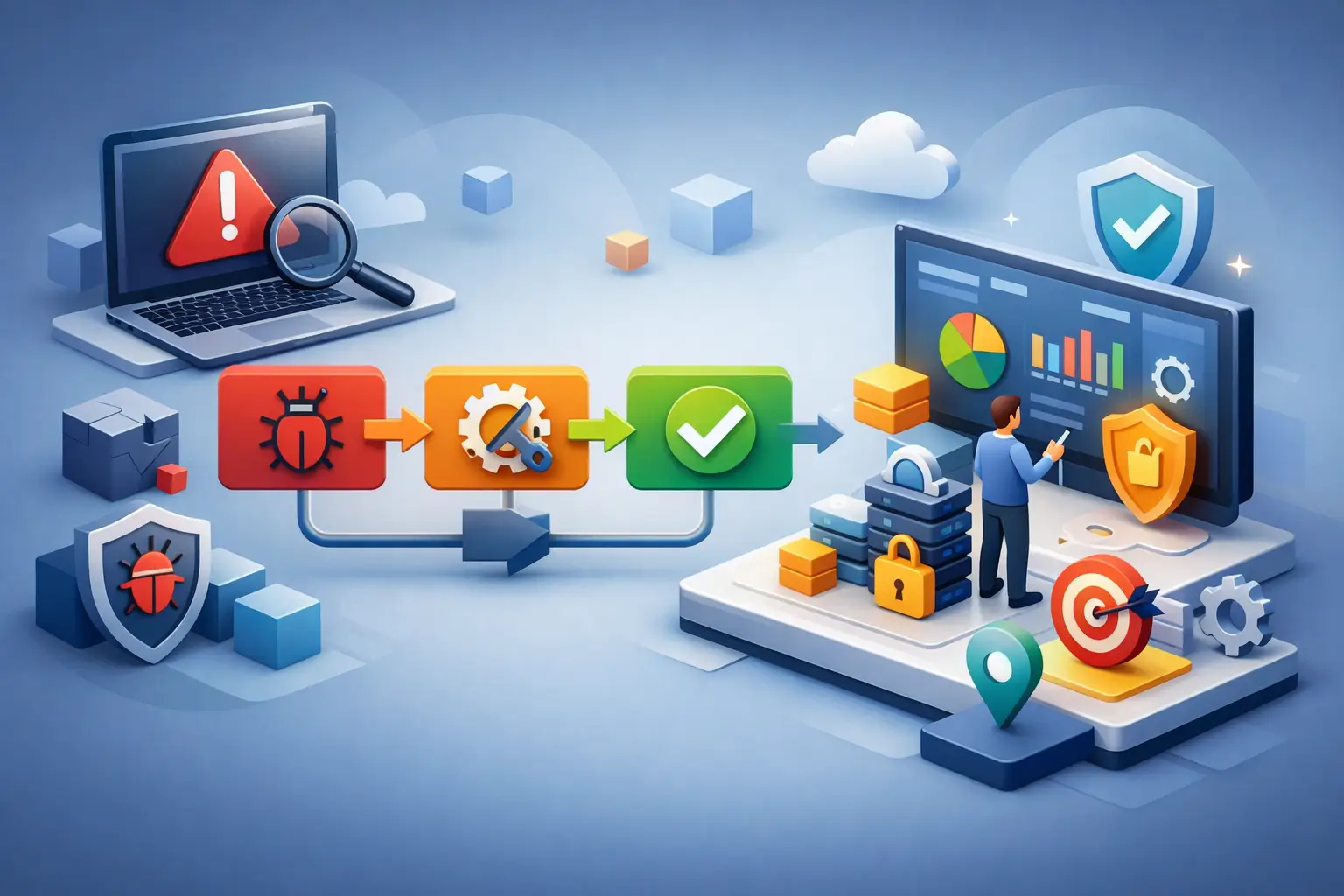
How Vulnerability Management Software Drives Action
Vulnerability management software helps businesses find, prioritize, and remediate security weaknesses with continuous monitoring, reports, and ownership.
Read more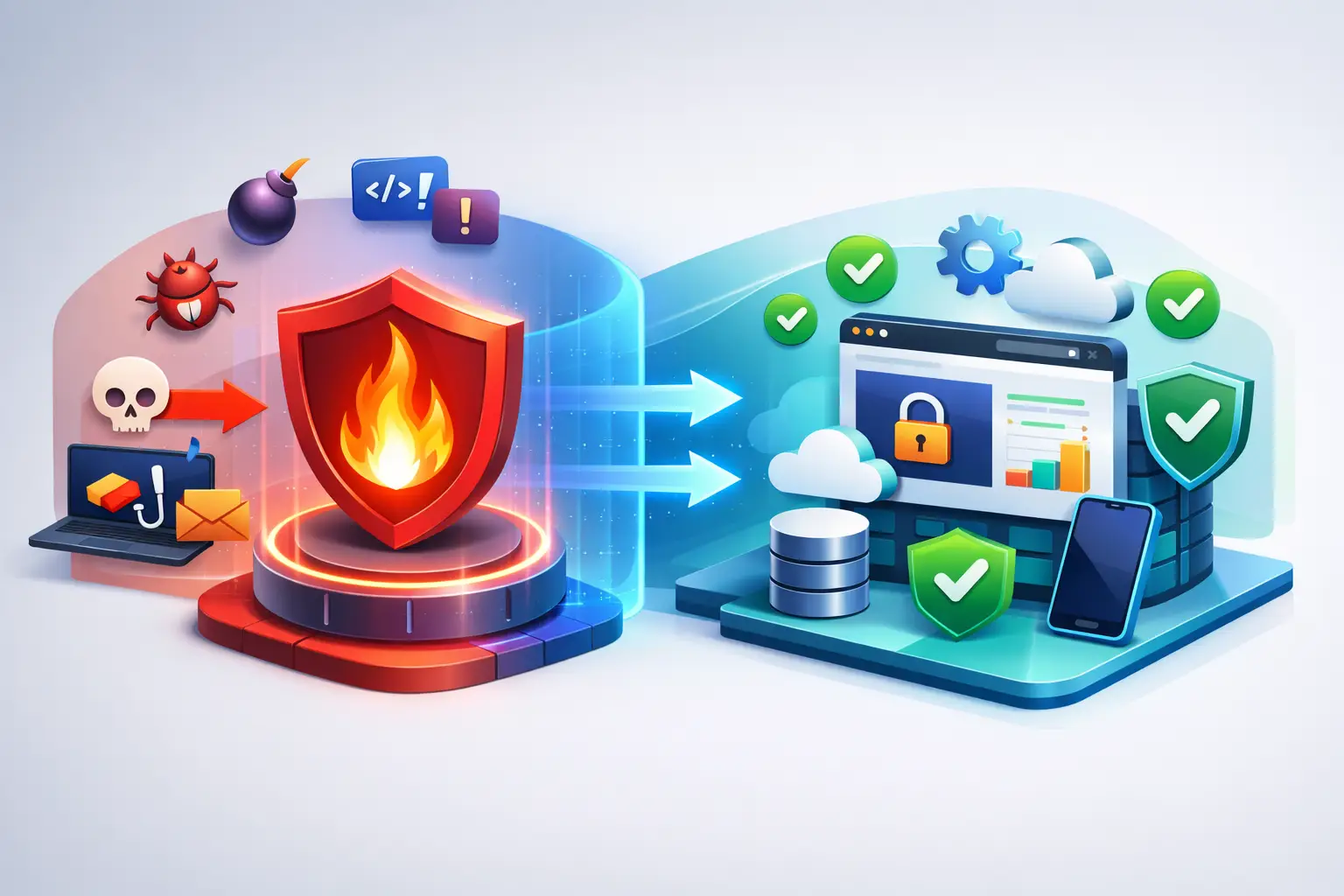
What a Web Application Firewall Protects
A web application firewall helps reduce risk from attacks on public-facing applications. Learn what it blocks, where it fits, and how to manage it properly.
Read more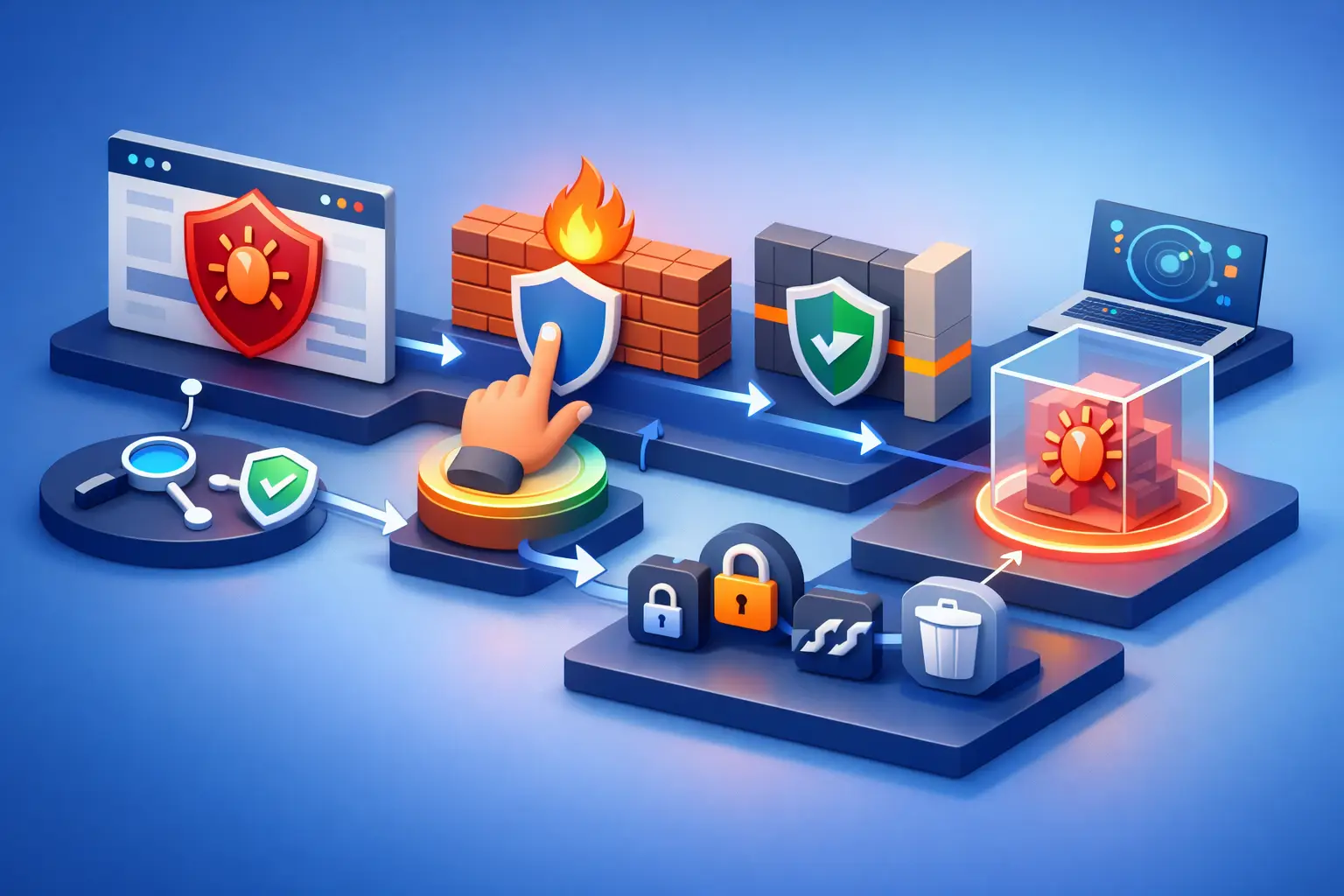
How to Reduce Web Application Risk Before It Spreads
Reduce web application risk with disciplined testing, prioritized remediation, and continuous monitoring that gives your team control over current exposure.
Read more
Vendor Risk Management That Protects Operations
Vendor risk management gives your business a clear process to assess third parties, remediate exposures, and monitor risk as systems and services change.
Read more
Network Vulnerability Scanner Review: What Matters
A network vulnerability scanner review for businesses that need clear findings, practical remediation priorities, and continuous visibility into risk.
Read more
Website Security Scanner Review: What Matters
A website security scanner review should reveal more than alerts. Learn how to assess coverage, validation, reporting, remediation, and monitoring needs.
Read more
Cybersecurity Consulting That Drives Action
Cybersecurity consulting helps businesses identify risk, prioritize remediation, and maintain continuous visibility across web, email, and network assets.
Read more
How to Secure Business DNS Records Properly
Learn how to secure business DNS records with access controls, DNSSEC, email authentication, change monitoring, and clear recovery procedures at scale.
Read more
Cyber Resilience Is a Business Operating Model
Cyber resilience helps businesses withstand attacks, restore services, and reduce repeat risk through continuous visibility, remediation, and testing.
Read more
Attack Surface Management Review for SMBs
An attack surface management review reveals exposed assets, prioritizes real risk, and gives your team a clear path to continuous remediation for action.
Read more
Web Application Hardening Guide for SMBs
This web application hardening guide helps businesses reduce exploitable risk with prioritized controls, testing, monitoring, and remediation plans now.
Read more
How to Audit Public Assets Before Attackers Do
Learn how to audit public assets with a clear process for inventory, exposure review, remediation, reporting, and continuous monitoring across your business.
Read more
Security Remediation Consulting Services That Work
Security remediation consulting services help businesses prioritize vulnerabilities, assign ownership, and verify fixes through continuous monitoring.
Read more
Security Monitoring for Compliance That Holds Up
Security monitoring for compliance gives teams continuous evidence, prioritized remediation, and clearer visibility into the risks auditors will examine.
Read more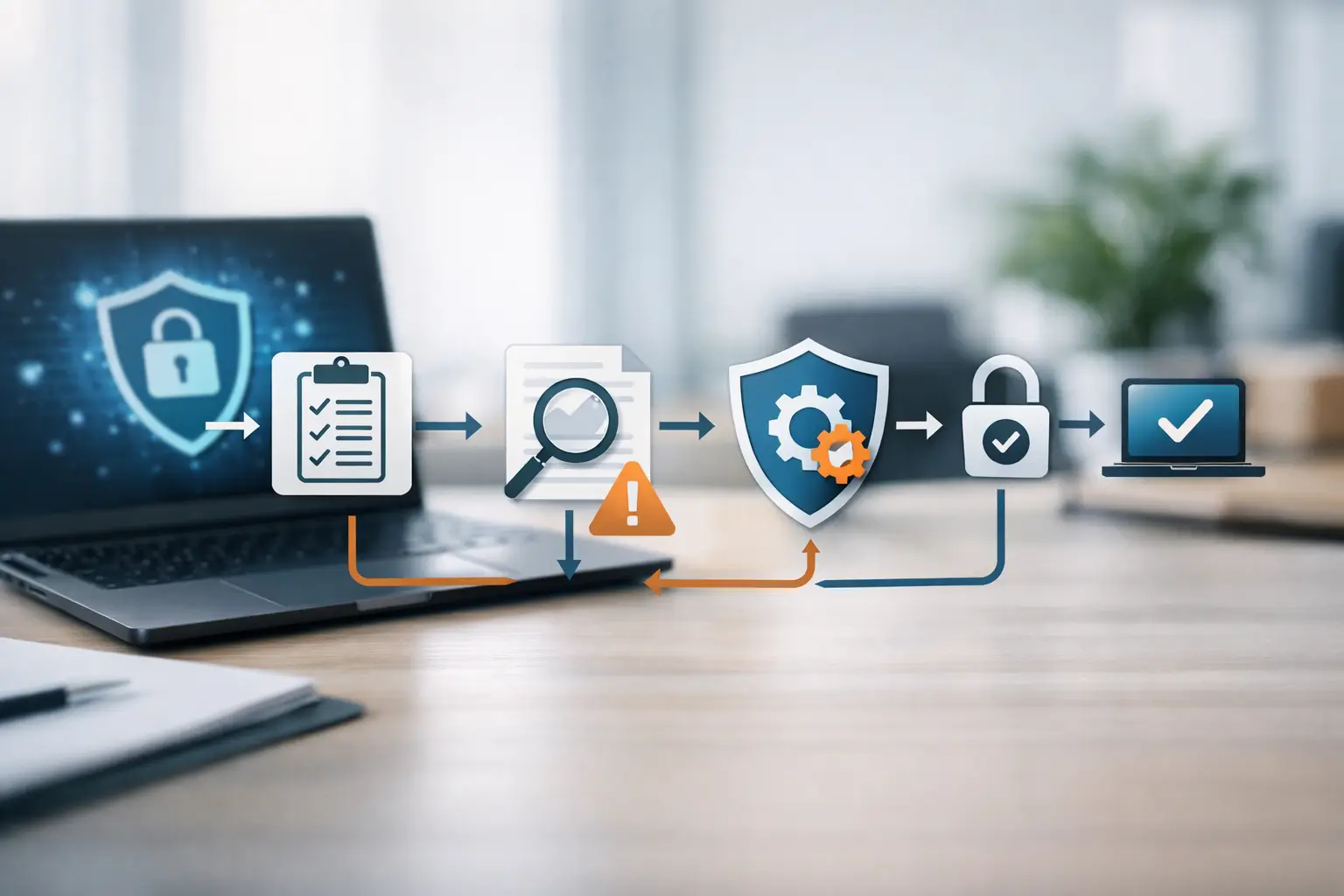
Best Website Security Audit Checklist for SMBs
Use this best website security audit checklist to identify exposure, prioritize remediation, and build ongoing protection for web assets and email systems.
Read more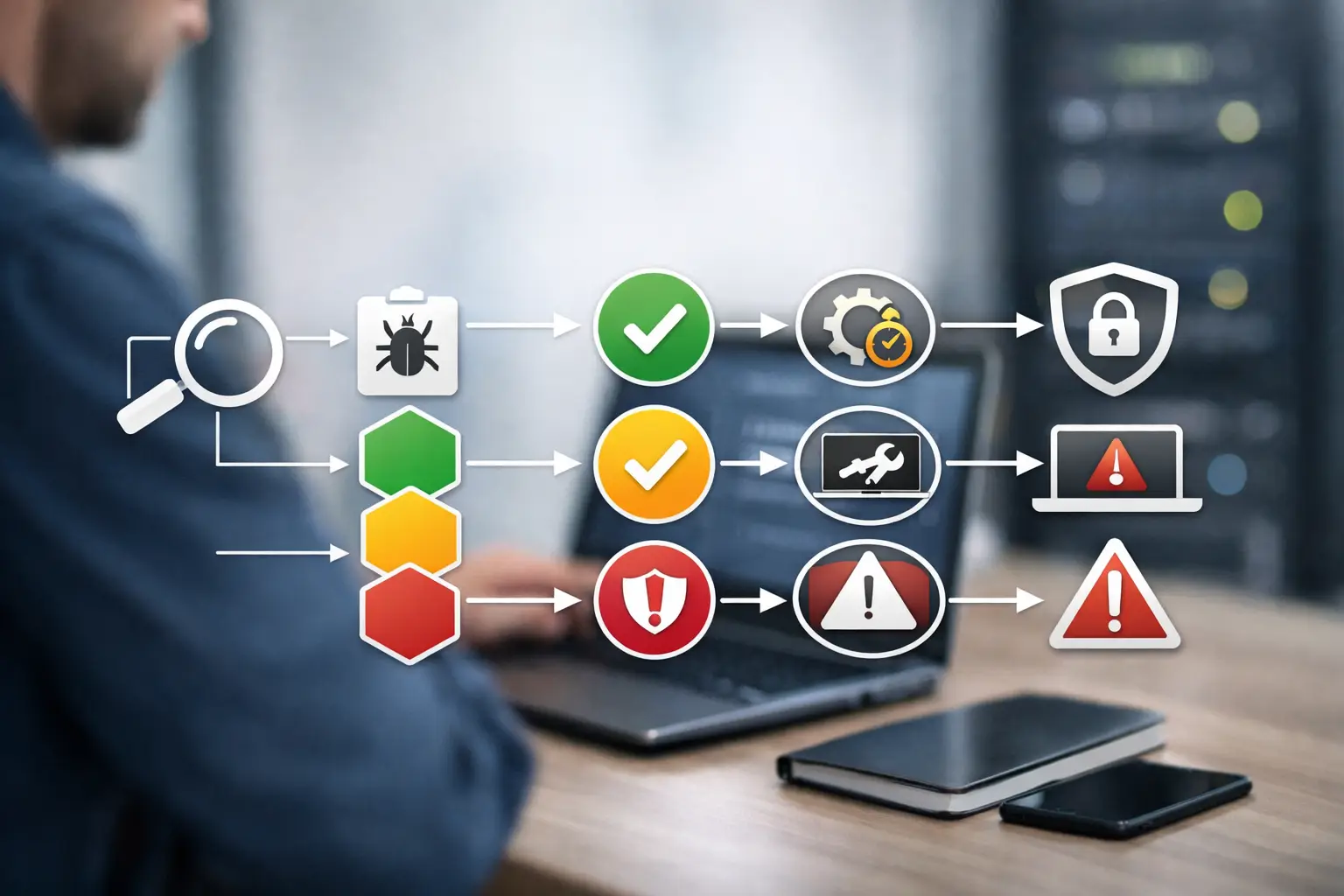
How to Prioritize Security Vulnerabilities
Learn how to prioritize security vulnerabilities using exploitability, asset value, exposure, and business impact to build a focused remediation plan.
Read more
Network Vulnerability Assessment Services That Work
Network vulnerability assessment services identify exposure, prioritize remediation, and support continuous oversight of your business systems and data.
Read more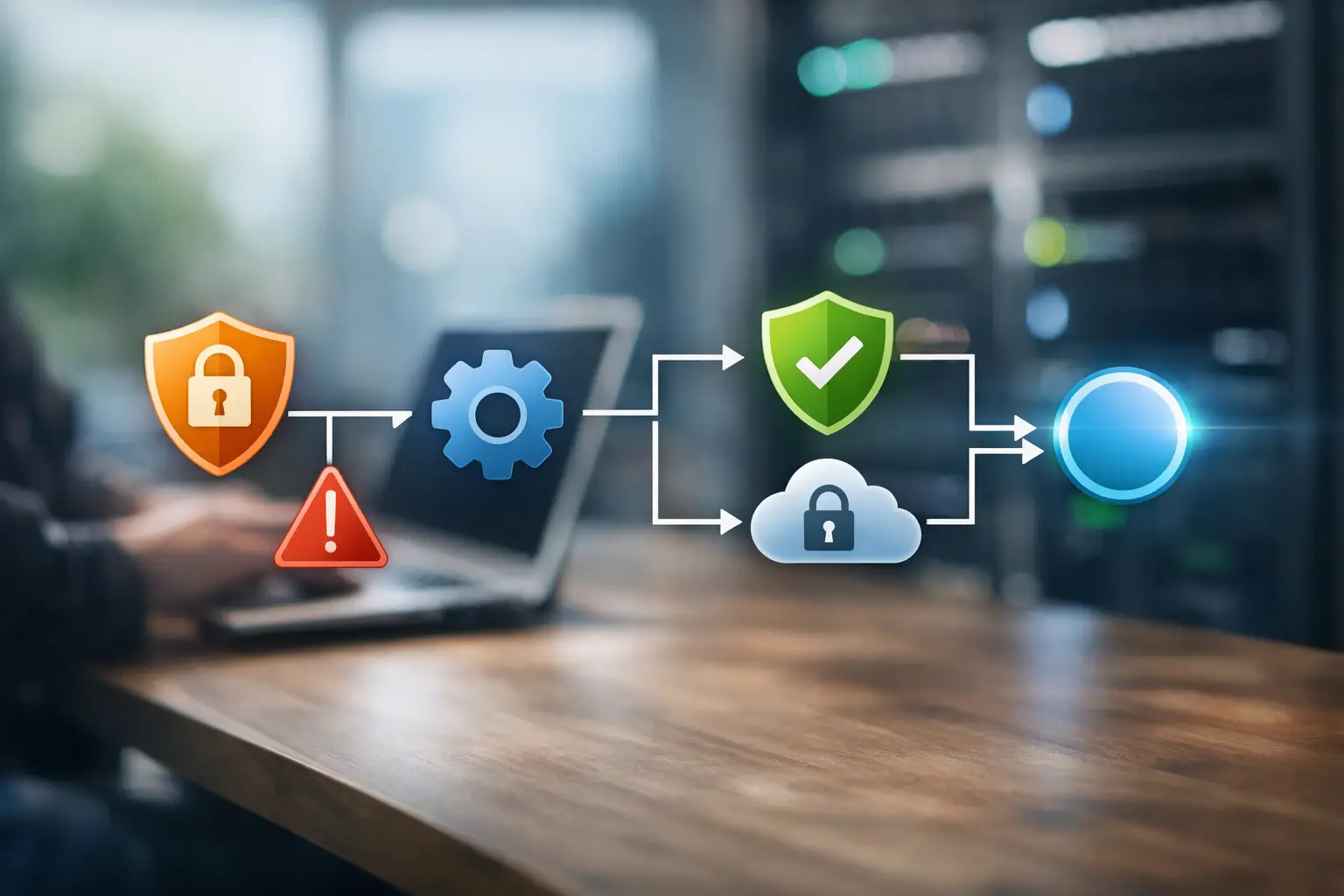
How to Secure Exposed Services Without Disruption
Learn how to secure exposed services with asset discovery, prioritized remediation, access controls, and continuous monitoring that reduces business risk.
Read more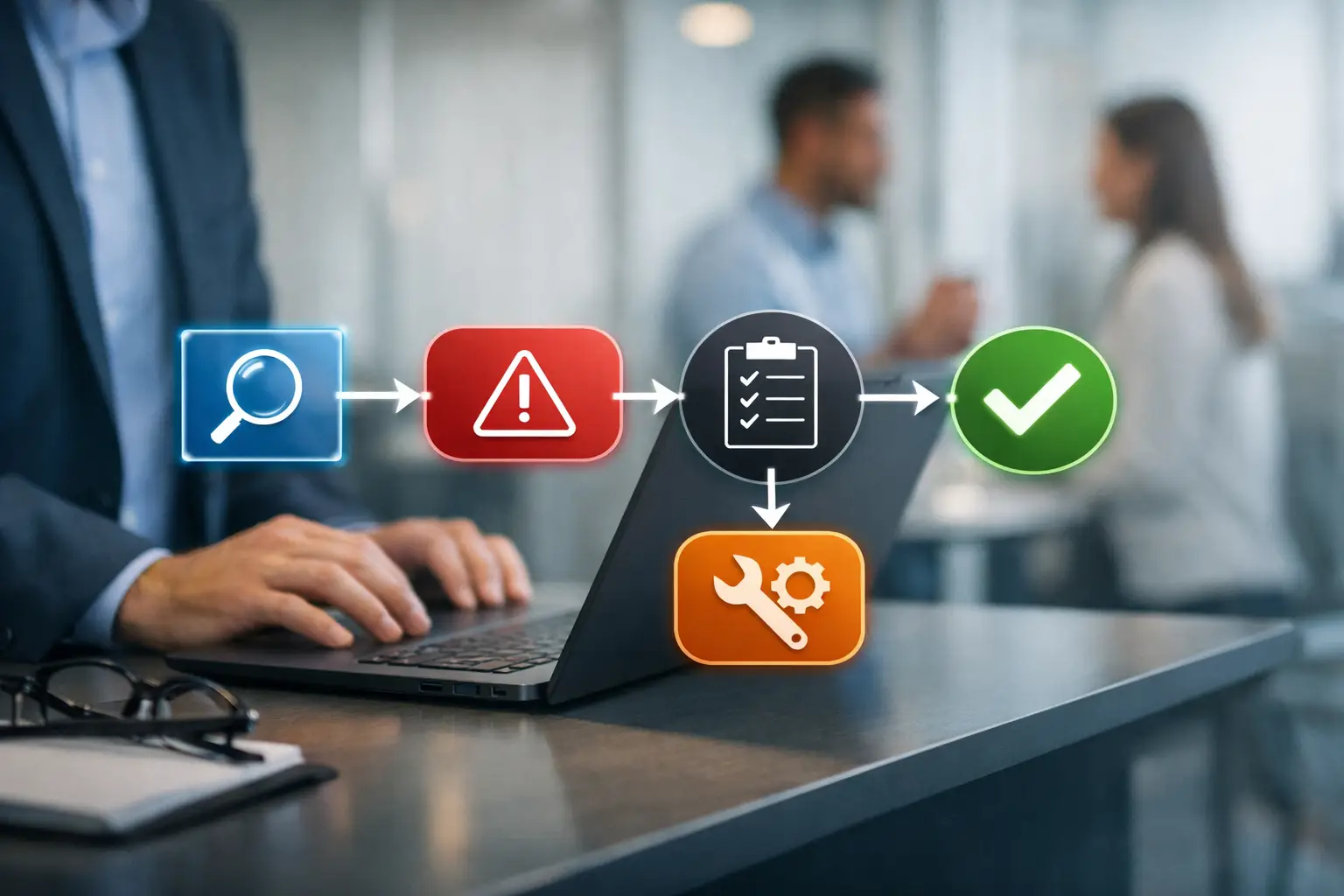
Managed Vulnerability Monitoring That Drives Action
Managed vulnerability monitoring gives your team ongoing visibility, clear priorities, and practical remediation guidance for web, email, and network risk.
Read more
Web Security Audit Services That Drive Action
Web security audit services identify web risks, prioritize remediation, and support continuous monitoring to protect business assets and strengthen control.
Read more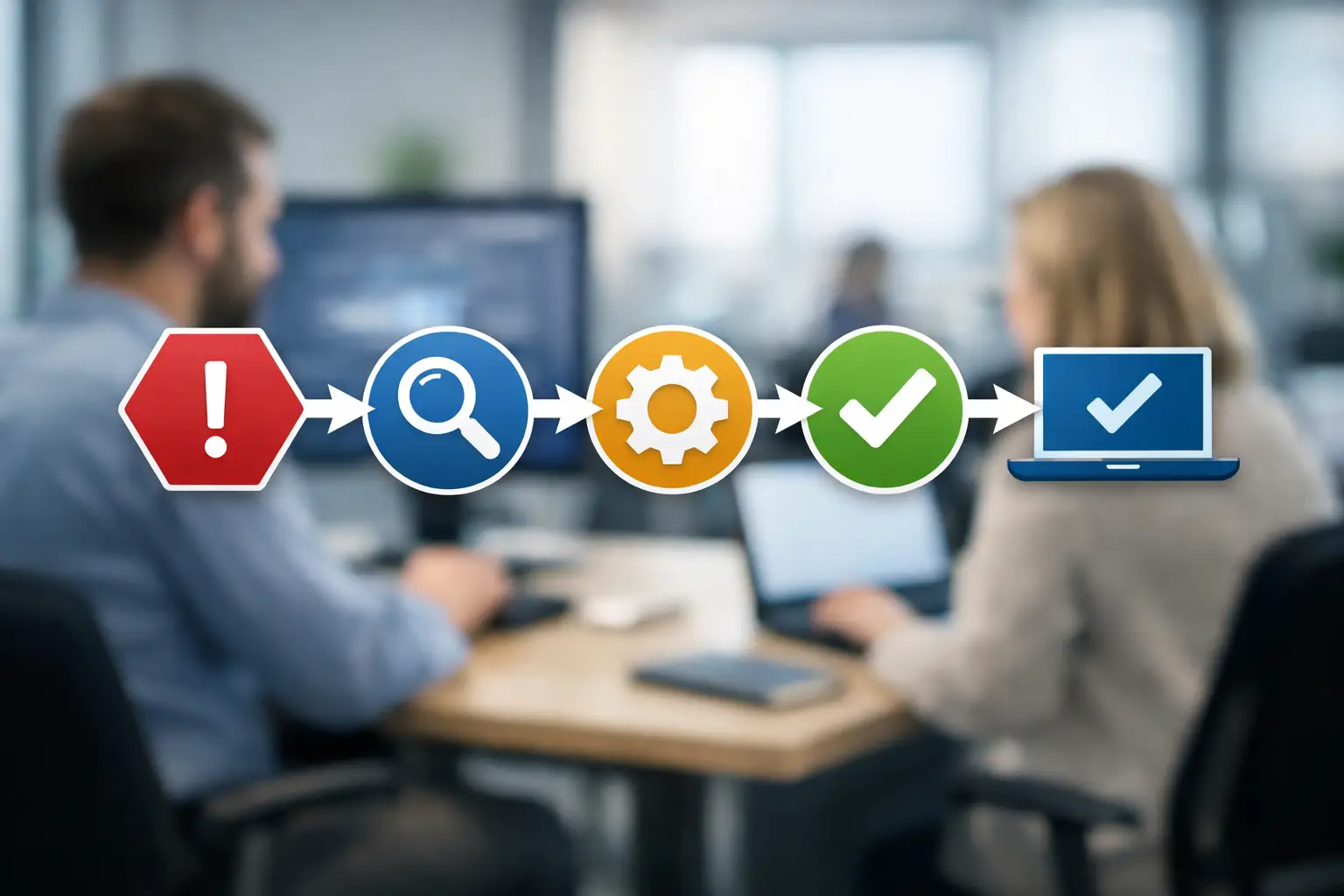
Vulnerability Remediation Workflow Example
See a vulnerability remediation workflow example that prioritizes risk, assigns ownership, validates fixes, and supports continuous security monitoring.
Read more
How to Remediate Web Vulnerabilities Safely
Learn how to remediate web vulnerabilities with a prioritized workflow for validation, fixes, testing, documentation, and continuous monitoring at scale.
Read more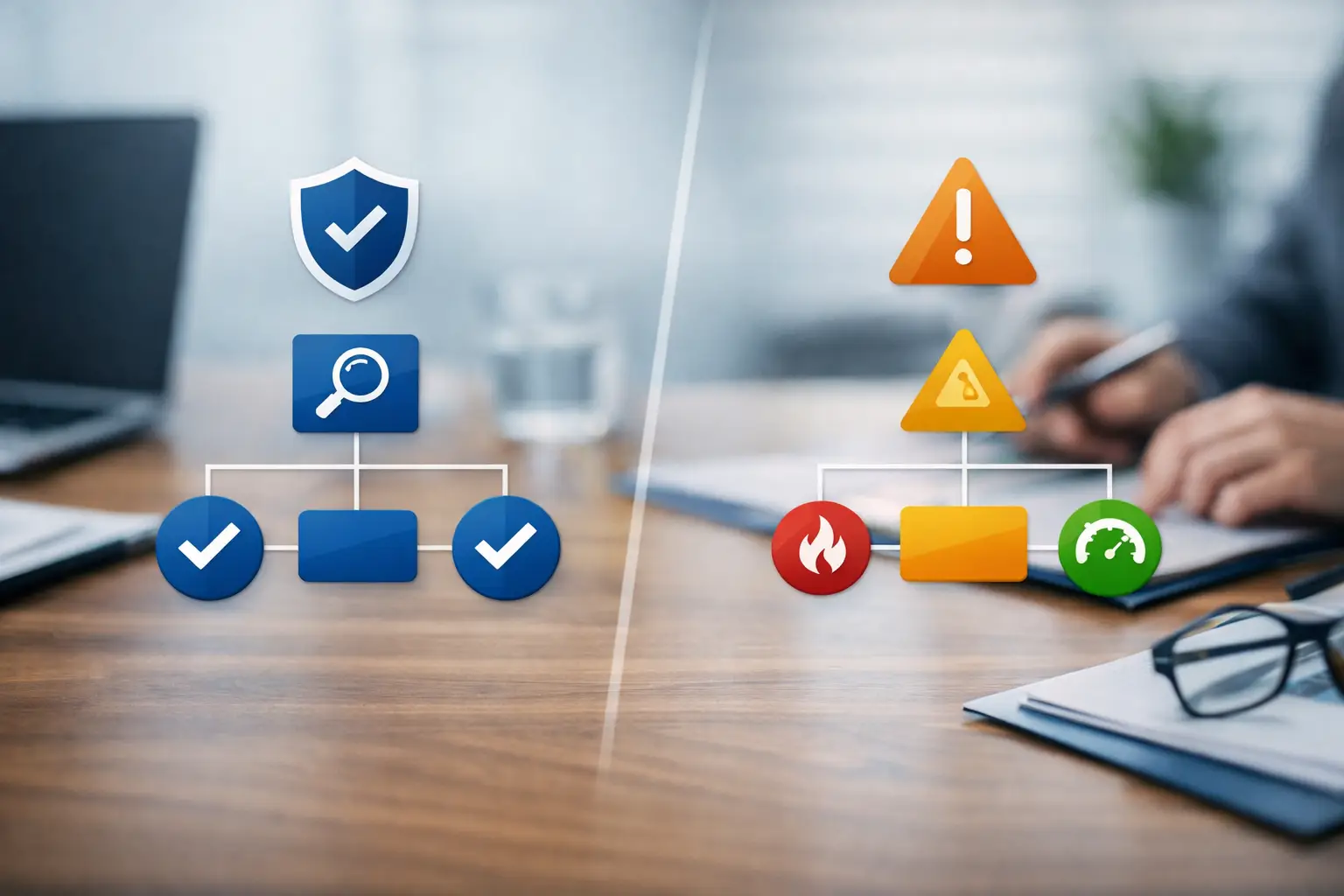
Security Audit vs Risk Assessment Differences
Security audit vs risk assessment: learn what each process examines, when to use it, and how both guide practical, ongoing security decisions effectively.
Read more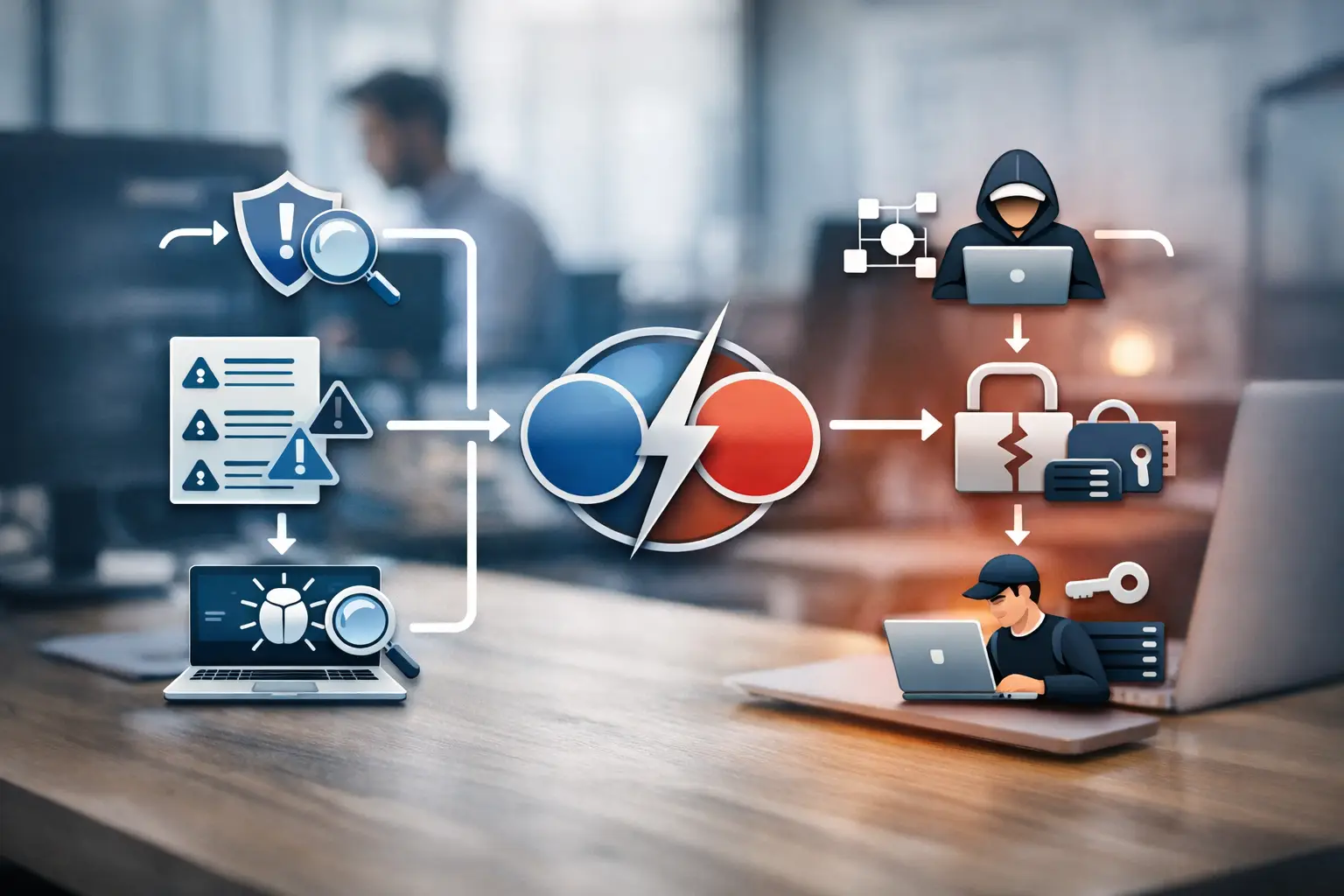
Vulnerability Scan vs Penetration Test Explained
Understand vulnerability scan vs penetration test, when each is appropriate, and how to turn findings into a prioritized remediation plan for the business.
Read more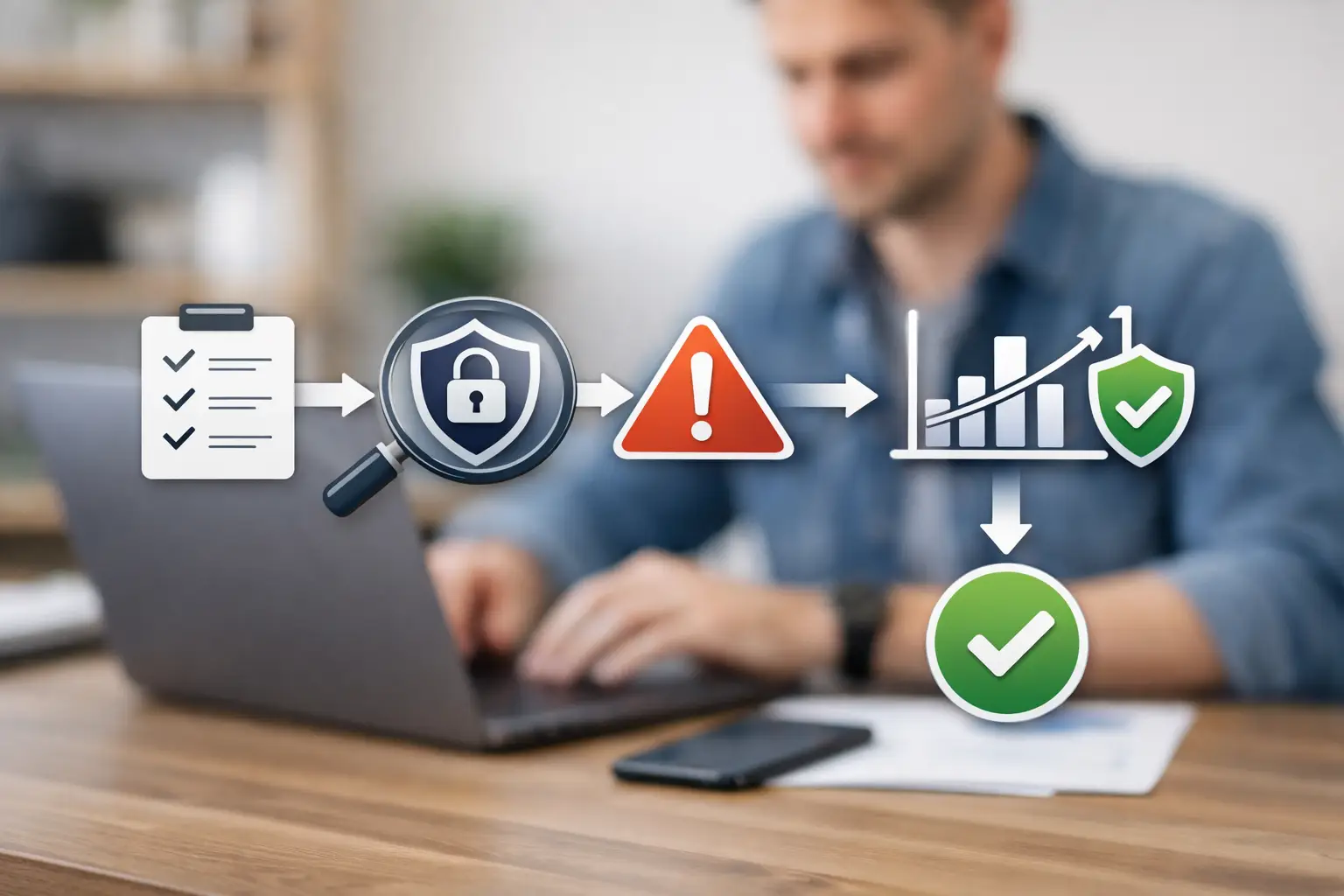
Small Business Cyber Risk Assessment Checklist
A small business cyber risk assessment identifies exposed assets, weak controls, and priorities so leaders can remediate threats with confidence early.
Read more
Web Vulnerability Management Guide for SMBs
This web vulnerability management guide shows businesses how to find, prioritize, remediate, and monitor web risks with clear, repeatable daily controls.
Read more
What a Security Monitoring Platform Should Do
Learn what a security monitoring platform should actually do, from visibility and alerts to remediation tracking, reporting, and control.
Read more
Cybersecurity Dashboard for SMB: What Matters
A cybersecurity dashboard for SMB gives teams visibility into risk, remediation, and monitoring so they can act faster and strengthen control.
Read more
How Security Audit Reporting Tools Help
Security audit reporting tools help businesses identify risk, prioritize fixes, document compliance, and turn security findings into action.
Read more
What a Compliance Readiness Scan Shows
A compliance readiness scan helps identify gaps, prioritize fixes, and prepare your business for audits with clearer reporting and action steps.
Read more
What Compliance Vulnerability Scanning Does
Compliance vulnerability scanning helps businesses find gaps, document risk, and support remediation with clear reporting and ongoing oversight.
Read more
Business Email Security Monitoring That Works
Business email security monitoring helps detect spoofing, abuse, and account risk early, giving teams clear visibility and a path to remediation.
Read more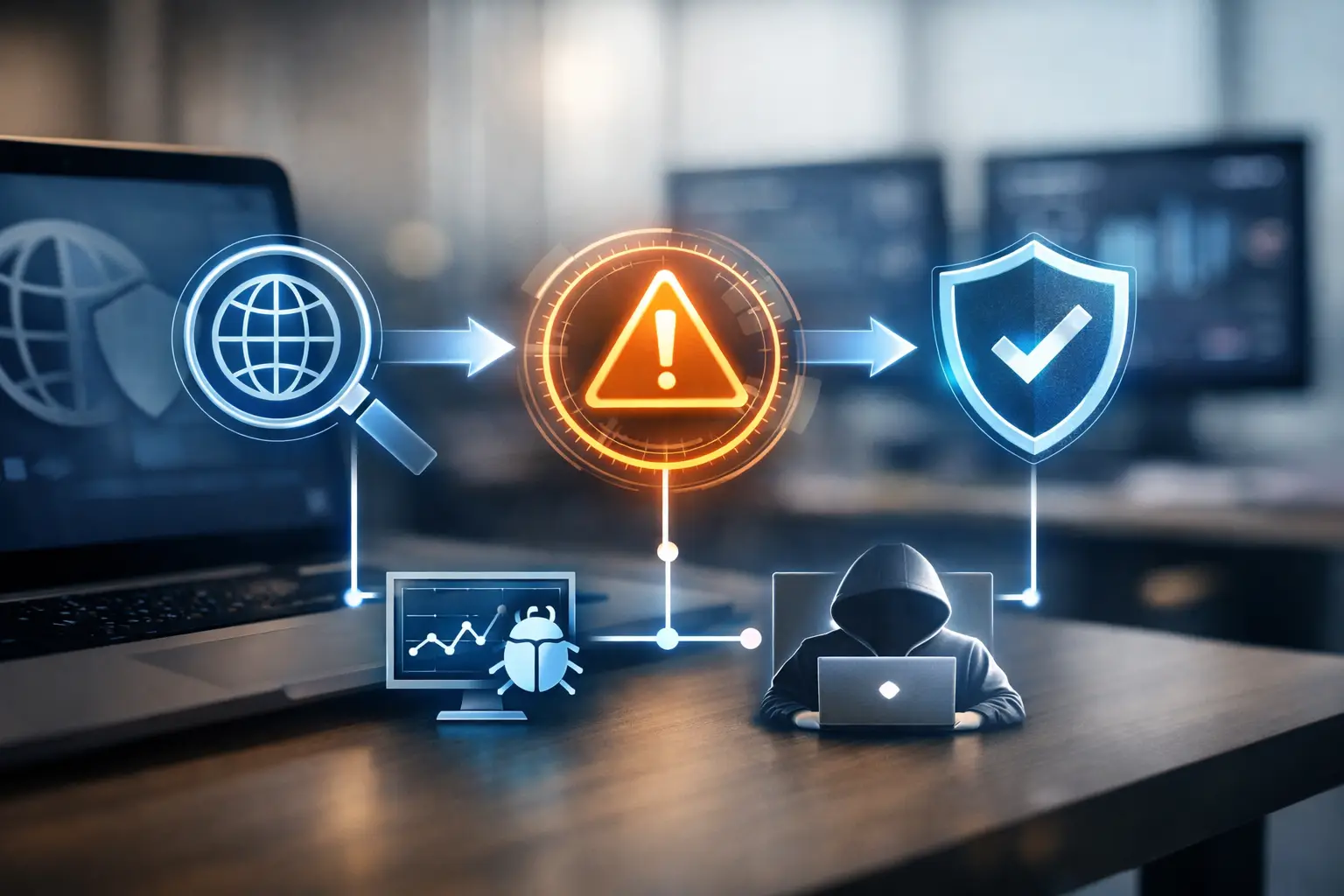
Domain Security Monitoring That Prevents Risk
Domain security monitoring helps businesses detect DNS, SSL, email, and web risks early, prioritize remediation, and maintain continuous visibility.
Read more
External Attack Surface Monitoring Explained
External attack surface monitoring helps businesses find exposed assets, prioritize risk, and support continuous remediation before issues become incidents.
Read more
What a Network Exposure Scan Reveals
A network exposure scan shows what outsiders can see, reach, and exploit across your environment so teams can prioritize remediation and reduce risk.
Read more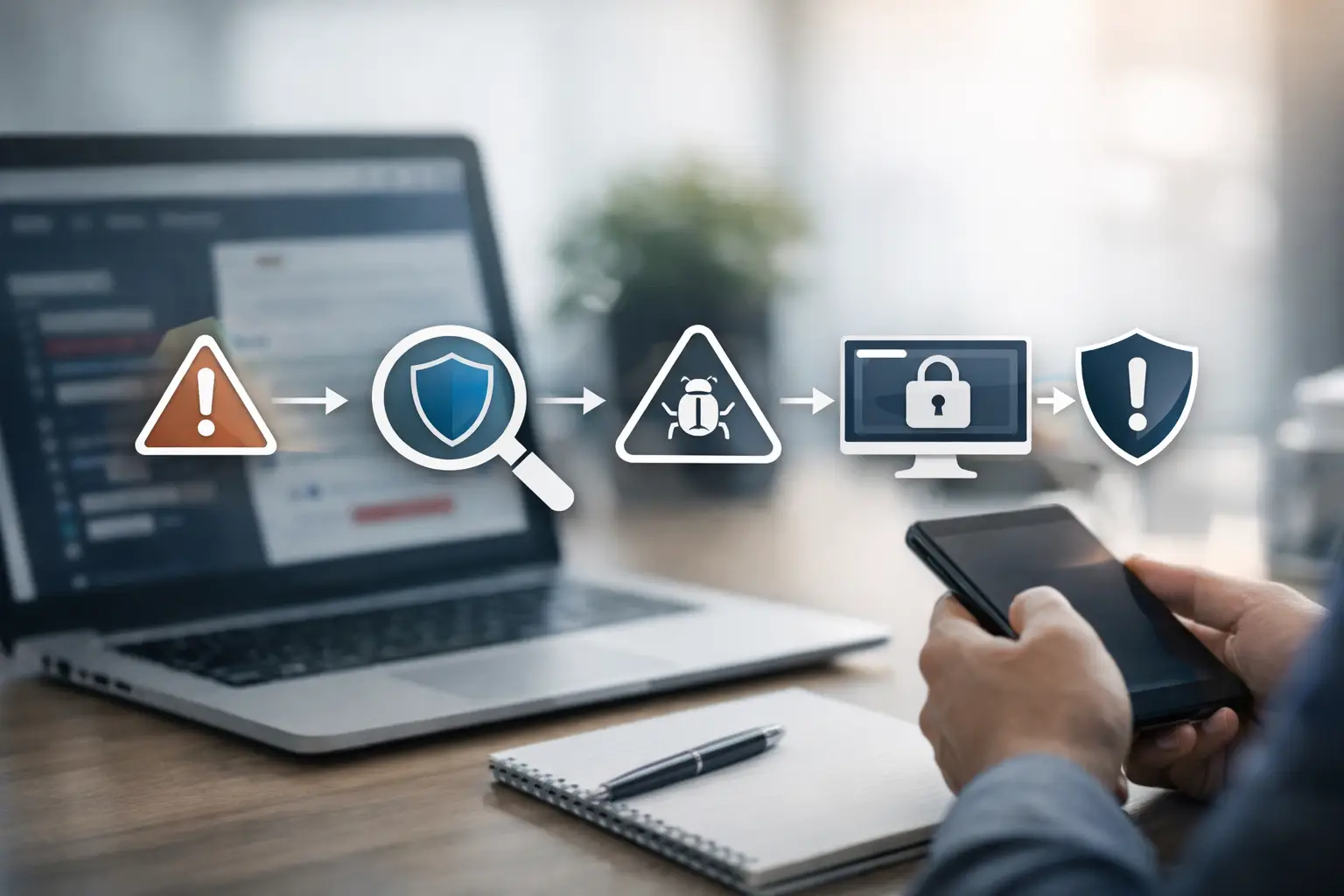
Website Vulnerability Scan for Small Business
A website vulnerability scan for small business helps identify risk, prioritize fixes, and support continuous monitoring before issues turn costly.
Read more
How to Build a Vulnerability Remediation Plan
Learn how to create a vulnerability remediation plan that prioritizes risk, assigns ownership, and supports continuous monitoring.
Read more
Continuous Monitoring Security Controls Explained
Learn how continuous monitoring security controls improve visibility, reduce risk, and help businesses identify and remediate threats faster.
Read more
Continuous Cyber Security Monitoring Explained
Continuous cyber security monitoring helps businesses spot vulnerabilities early, prioritize remediation, and maintain visibility across web and network assets.
Read more
How Continuous Security Monitoring Tools Help
Continuous security monitoring tools help businesses detect risk early, prioritize remediation, and maintain visibility across web, network, and email assets.
Read more
What Is Continuous Security Monitoring?
What is continuous security monitoring? Learn how it helps businesses identify risk early, track changes, and remediate security issues faster.
Read more